Caregiving Is Not Sustainable Without Support

Caregiving isn’t a role most people choose—it’s one they step into out of love, necessity, or circumstance. And yet, millions of family caregivers don’t even call themselves “caregivers.” They see themselves as daughters, sons, spouses, friends, or neighbors simply doing what needs to be done.
That’s why support often misses the mark. Benefits may exist in HR handbooks, but if caregivers don’t identify with the label, they won’t look for them. What they truly need is something more human: recognition, flexibility, and compassion.
🏢 Workplaces Aren’t Families—They’re Teams
It’s tempting to call the workplace a “family,” but that metaphor can blur boundaries and create unrealistic expectations. Families are built on unconditional care; workplaces are built on roles, responsibilities, and performance.
But here’s the truth: even the most competitive teams succeed because they support each other. When the defense has a bad day, the midfield drops back. When a striker misses, the team rallies. Competition doesn’t disappear—it’s sharpened by collaboration.
Caregiving responsibilities are no different. If we want caregivers to thrive at work, we need to identify them and build a culture where teammates step in to cover—not out of pity, but out of respect for the team’s shared goals.
🔑 Benefits + Culture = Real Support
Caregiver benefits matter. HR teams play a critical role in offering programs that give employees options when life changes. But benefits alone don’t make caregiving sustainable.
If the culture doesn’t change, caregivers may not even identify themselves as “”caregivers”—and they won’t look for those benefits in the handbook. They’ll keep juggling silently, hoping their boss or colleagues notice when they mention caregiving responsibilities in passing.
That’s why resilience requires both:
HR benefits that provide structure and resources.
Team culture that normalizes caregiving, notices the invisible work, and offers flexibility without stigma.
🔄 Resilience Isn’t Just About Markets
Every company talks about resilience—resilience to market shifts, resilience to new competitors, and resilience to economic downturns. But resilience isn’t only external. It’s also internal.
Teams don’t just face pressure from outside forces; they face changes within their own ranks. A top performer becomes a caregiver overnight. A manager juggles medical appointments for a parent. A colleague quietly balances care responsibilities while trying to meet deadlines.
If leaders ignore these realities, they miss the most critical resilience challenge of all: how to keep teams strong when life changes inside the company.
Identifying caregivers is the first step. Once managers, teams, and CEOs know who is carrying these responsibilities, they can build resilience in the same way they prepare for market shifts:
Anticipate the impact. Just as companies forecast market risks, they should anticipate the human risks of caregiving pressures.
Adapt the strategy. Flexibility in scheduling, role coverage, and workload distribution strengthens the team.
Invest in support. Tools like SimpliTend, policies that normalize caregiving, and cultures that value compassion are investments in resilience.
Resilient companies aren’t just those that survive external shocks. They’re the ones that adapt to internal realities with the same urgency. Supporting caregivers isn’t charity — it’s strategy.
🏡 Support in Families and Communities
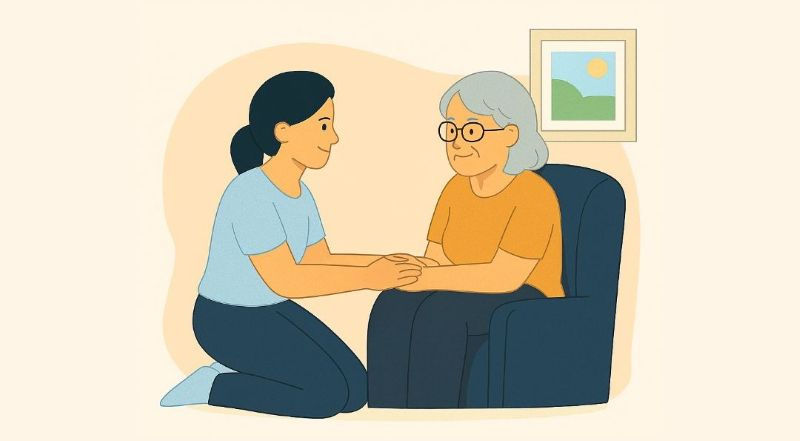
The same is true at home. Caregivers rarely ask for help outright. They worry about burdening others, or they’ve internalized the idea that caregiving is “their job.”
That’s why family and friends must learn to notice.
When someone is constantly juggling appointments, meals, and medications, offer to step in.
When a caregiver seems exhausted, don’t wait for them to ask—bring dinner, run an errand, or simply listen.
Support means sensitivity: seeing the invisible work and responding with care.
Caregiving becomes sustainable when communities act with compassion, not transaction—when we stop asking, “How can I use this person?” and start asking, “How can I support them?”
🌱 A Call to Compassion
Caregiving is not sustainable without support. But support doesn’t always mean programs or benefits. It means noticing, remembering, and responding with humanity—at work, at home, and in our communities.
If we want caregivers to thrive, we must build cultures of compassion where help is offered before it’s asked. Because caregiving should never be carried alone.


Comments