Caregiving Isn’t Rewarding—It's Unavoidable. And the Cost Lasts for Years.
Caregiving is often described as rewarding, beautiful, or an act of love. These phrases appear at the end of articles, in government brochures, and in speeches by people who have never spent a night caring for someone who can no longer care for themselves. The language is comforting, but it is not honest. For most caregivers, caregiving is not a choice. It is a responsibility they step into because there is no alternative—and the cost of that responsibility lasts long after the caregiving ends.
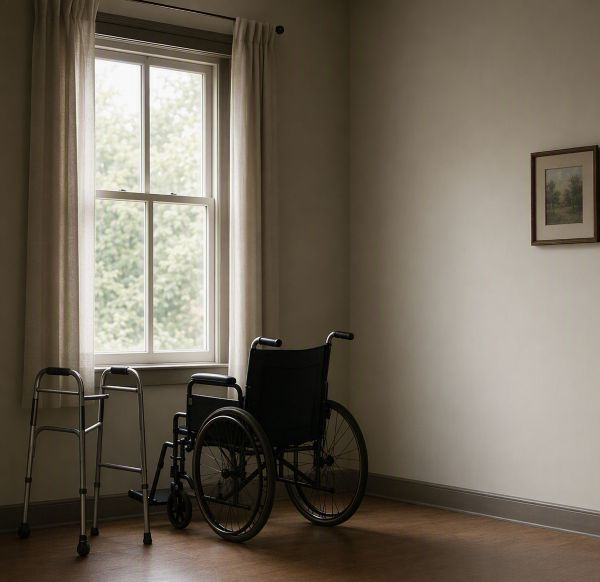
I know this firsthand. When I cared for my mother, I helped her dress, helped her use the bathroom, and watched her lose the independence she spent her entire life protecting. Nothing about that felt rewarding. It felt necessary. It felt like love expressed through duty, not joy. And even eight years after she passed, I still carry regret instead of closure. I still replay moments and wonder if I could have done more, been more patient, or been more present. That is the truth of caregiving that rarely makes it into public conversations.
Caregiving Isn’t a Choice—And Lack of Choice Has Consequences
Most caregivers do not choose caregiving. They enter it because a parent, spouse, or child needs help and there is no system to catch them. Recent national data shows that 56% of caregivers had no real choice in taking on the role. That lack of choice matters. Caregivers who feel forced into caregiving experience double the poor mental health days, three times the isolation, and significantly higher rates of depression and anxiety.
Caregiving becomes a form of emotional conscription—a duty assigned by circumstance, not desire. And when caregiving is forced, the emotional aftermath is deeper, heavier, and longer‑lasting.
The Aftermath of Caregiving: What Caregivers Face When the Care Ends
Caregiving ends, but the consequences do not. The aftermath is real, measurable, and often invisible.
Mental Health and Emotional Residue
Caregivers experience:
64% moderate to high emotional stress
60% symptoms of anxiety or depression
30% clinical depression
7 poor mental health days per month, even after caregiving ends
Many caregivers describe a lingering sense of failure, even when they did everything possible. Regret becomes a shadow that follows them long after the caregiving chapter closes. I feel this deeply. My caregiving ended eight years ago, but the emotional residue remains.
Loneliness and Isolation
Caregiving isolates people socially, professionally, and emotionally. Even after caregiving ends, many caregivers struggle to reconnect with the world they left behind. Relationships change. Friendships fade. The caregiver’s world becomes smaller, and rebuilding it takes time and support that most people never receive.
Identity Loss and Starting Over
Caregiving reshapes identity. When it ends, caregivers often ask:
Who am I now?
What do I do next?
How do I restart a life that paused while everyone else kept moving?
This identity disruption is especially severe for young caregivers — teenagers and young adults who care for parents or grandparents. They lose formative years, educational opportunities, social development, and the sense of a “normal” adolescence. Their caregiving aftermath includes:
delayed education
limited career pathways
emotional maturity developed under stress
difficulty relating to peers
early exposure to grief and responsibility
These young caregivers often enter adulthood already carrying burnout.
Career and Financial Fallout
Caregiving disrupts careers in ways that last for decades. Caregivers lose promotions, income, professional momentum, and years of skill development. Many need retraining or career rebuilding, but few programs exist. Financially, caregivers absorb unpaid leave, reduced hours, and out‑of‑pocket expenses that compound over time.
In my previous article, Years Lost to Caregiving, I explored how caregiving reshapes life trajectories. This article continues that conversation by focusing on the emotional and structural aftermath—the part that begins when the caregiving ends.
Lack of Closure
Closure is rare. Caregivers often carry unresolved grief, guilt, or regret. They replay decisions, moments of frustration, and times they felt overwhelmed. They wonder if they should have done more. Closure is not built into caregiving. It must be created—and most caregivers are never given the space, support, or time to create it.
Why Government Framing Makes Caregiving Harder
The U.S. government consistently frames caregiving as a family responsibility, not a public responsibility. This framing is strategic. If caregiving is a family duty, then the government does not need to invest in:
paid caregiver leave
respite care
caregiver tax credits
mental health support
transition programs after caregiving
job protection
retraining programs
Instead, caregivers are praised for their “sacrifice,” “love,” and "devotion"—emotional language used to mask the absence of structural support. The narrative that caregiving is “rewarding” is not just sentimental. It is political. It keeps caregiving invisible as a public health and economic issue.
What Real Support Should Look Like
Real support means acknowledging caregiving as labor and recognizing post‑caregiving recovery as a legitimate need. It means providing mental health services, retraining programs, job protection, financial relief, and transition support for caregivers after the care ends. Caregivers don’t need praise. They need infrastructure.
A New Definition of Reward in Caregiving
Caregiving is not rewarding because it feels good. It is rewarding only in the sense that it carries meaning — and meaning is often painful. The real reward is knowing you honored someone’s life. But meaning alone is not enough to justify the cost caregivers pay.
Caregivers deserve more than gratitude.
They deserve a path back to their own lives.


Comments